
Our Madeira travel guide helps you find the perfect time for your dream vacation. Although the Atlantic island is a year-round destination, the ideal time to go depends on whether you’re seeking flower-filled landscapes, hiking adventures, or warm evenings by the sea.
Why This Guide Matters: Blooming and Hiking All Year on Madeira
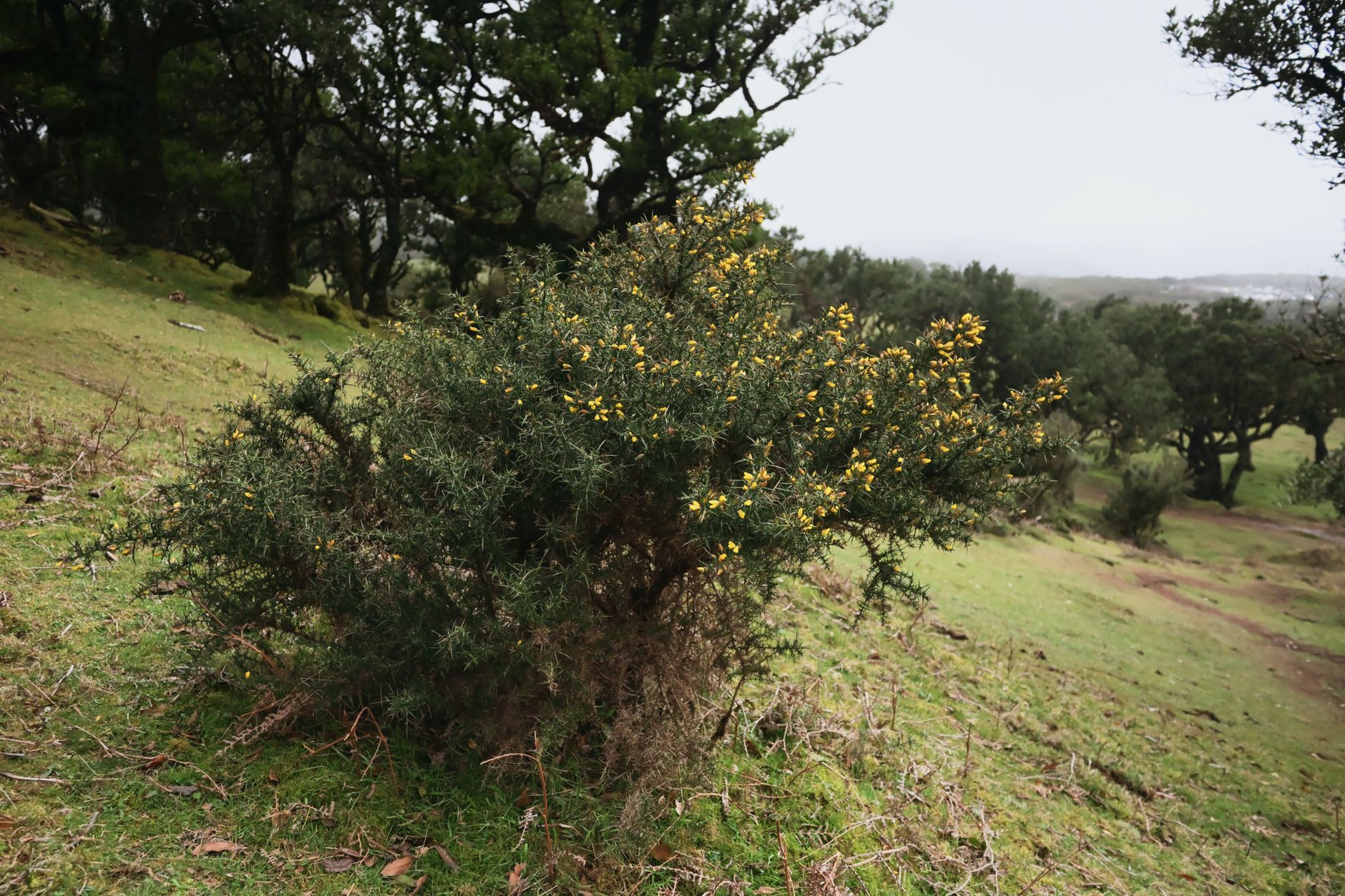
Madeira is famous for its mild subtropical climate. With temperatures between 20 and 26 degrees in summer and rarely dipping below 15 in winter, the island is pleasant throughout the year. The landscape ranges from steep cliffs to lush laurel forests. The famous Laurisilva forest in the northwest is a UNESCO World Heritage site and is especially rewarding in spring or autumn, when the woods smell fresh after rain. If you also want to witness the spectacular flower festivals, plan your trip for spring.
What You Can Experience Each Season on Madeira
- Spring (March to May): The island is in full bloom. In April, especially, gardens like the Botanical Garden in the capital Funchal glow with pink and purple blossoms. The colorful gardens in the fishing village of Câmara de Lobos are also at their most vibrant.
- Summer (June to August): Perfect weather for beach and pool holidays. The sea is warm (around 23-25°C). If you’re not just sunbathing, the hills of Monte, where the famous wicker toboggan rides start, offer pleasant temperatures. July 1st, Madeira Day, is celebrated with fireworks and festivals. The night parties in Funchal on August 22nd are also popular.
- Autumn (September to November): The grape harvest begins in October, particularly around Estreito da Calheta. Casual connoisseurs can join tastings of traditional Madeira wine, whose sweet notes perfectly complement the mild climate.
- Winter (December to February): The mildest season (around 18-22°C) is ideal for hiking the levadas, the famous irrigation channels. The ascent to Pico Ruivo, the highest peak, and the lesser-known Levada das 25 Fontes often offer clear, cloud-free views without the heat tiring you out.
Madeira Travel Guide for Active Travelers: Hiking and Nature
The levada trails are a magnet for nature lovers. Spring is particularly beautiful in wetland areas like the Valley of the Nuns (Curral das Freiras), when the slopes are lush green and waterfalls roar. Autumn, on the other hand, is great for high-altitude hikes on Madeira, as visibility is clearer then. If you’re less confident on tricky terrain, check official tourism information for Madeira (visitmadeira.pt) for suitable routes. When hiking, always pack a rain jacket—the weather in the mountains can change quickly; that’s part of the island’s charm.
How to Travel Cheaply with Our Madeira Travel Guide
If you want to save money, May and September are ideal. Compared to the peak summer months, flights are often cheaper, and the weather remains stable. Check out our current flight deals for special fares to Funchal or Porto Santo. If you’re flexible, you can often score a last-minute bargain. Booking early can help you secure a time slot with more pleasant temperatures, especially late September when prices are moderate. The off-season from November onward brings the lowest fares but also more rain—a trade-off between cost and comfort. If you plan around guaranteed festivals, you’ll always have a good reason to visit.
Month-by-Month Quick Guide: Madeira 2026
- January: New Year’s holidays (January 1st) and the quietest time along the coasts. Ideal for leisurely hikes in mild air.
- February: Carnival in Funchal, which often falls in February, brings color and rhythm. Late February/early March often features the carnival with magnificent parades.
- April: Spring bursts forth: the flower meadows in the highlands of Paul da Serra are golden yellow and purple—perfect for photographers.
- May: The Flower Festival takes place in Funchal: giant flower carpets along Avenida Arriaga and a grand parade.
- June: Swimming in the natural lava pools in Porto Moniz becomes a pure delight with water temperatures around 22°C.
- July: The Atlantic is warmest, attracting crowds to popular beaches like Calheta and Machico. It can get busy, though.
- August: High season: the island celebrates the Feast of Our Lady of the Mount in Monte (August 15th), a cultural highlight.
- September: Autumn slowly arrives, but the sea stays warm. Great for extended boat trips to spot dolphins off Cabo Girão.
- October: Wine festival in the Câmara de Lobos region. You can taste the new wine at traditional adegas (wine cellars).
- November: Quiet and contemplative. The laurel forests appear misty and mystical—a paradise for hikers.
- December: The famous Christmas lights turn Funchal into a sea of lights. Truly unique!
Frequently Asked Questions About the Madeira Travel Guide
Which month is the warmest in Madeira?
August and September are the warmest months, with daytime highs around 28°C. Water temperatures reach about 23 to 25°C, perfect for swimming.
When should you avoid Madeira?
If you prefer dry hiking conditions, November through February are not ideal, as it rains frequently then—even though the weather in Funchal often remains pleasant. For beach holidays, the winter months are too cool.
Is Madeira worth visiting in November?
Yes, particularly for those seeking peace and quiet or hikers, November is a good time. Prices are low, beaches are empty, and you experience the island in its raw state. There may be occasional heavier rain, especially in the north.
Also check our cheap flights to Madeira from Germany and start your adventure!
📌 dealflug is not a travel agency.
Every day we hunt down the best flight & travel deals from Germany 🇩🇪 — 100% free ✅. You book directly with the provider, at the same price (no extra fees). Prices may have changed since publication.
👉 Follow us on Telegram and check dealflug so you never miss a deal ✈️




Leave a Reply