
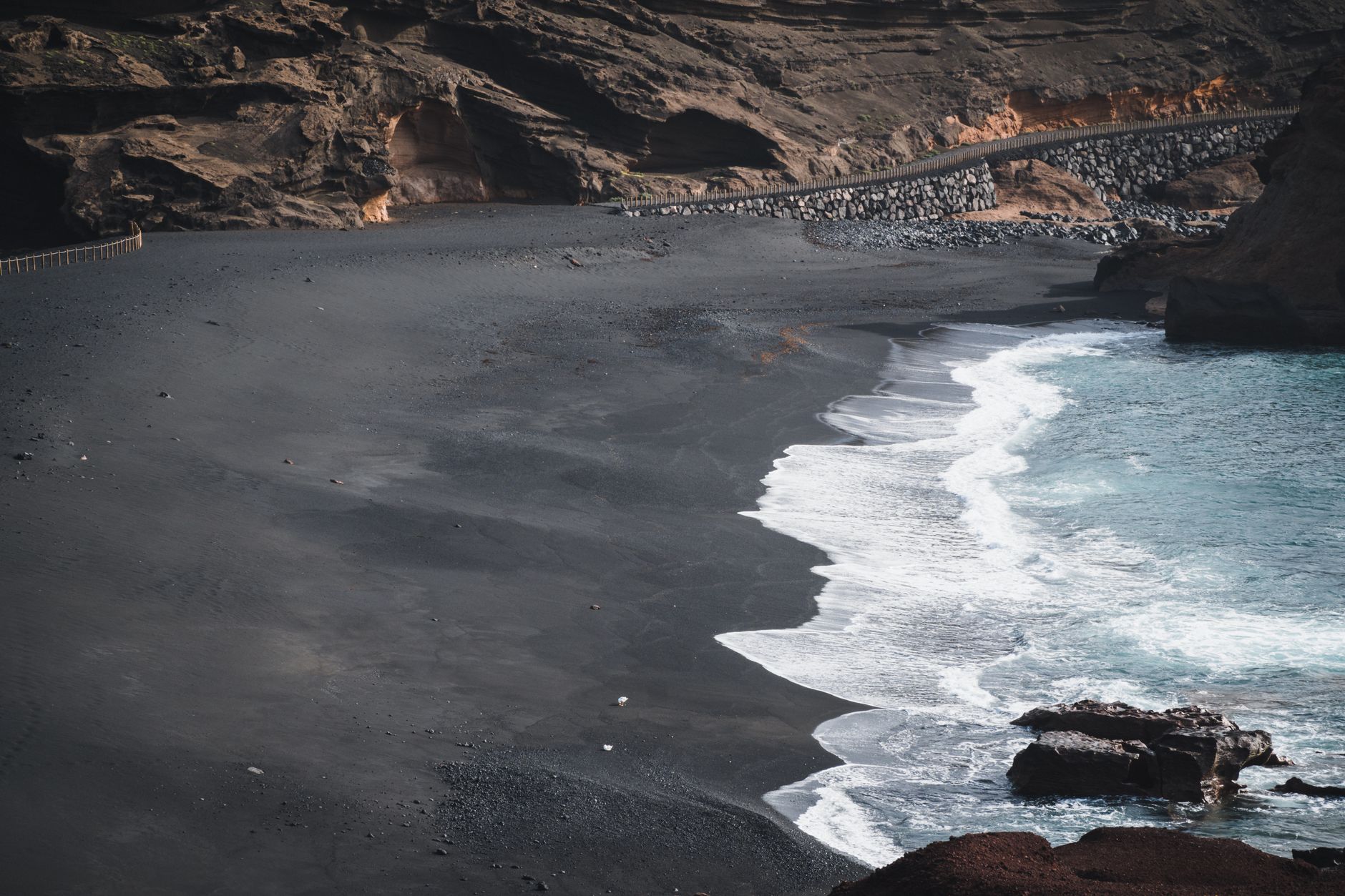
The best time to visit the Canary Islands can’t be answered with a single blanket statement – the seven islands are simply too different for that. While Tenerife is green and rainy in the north, Fuerteventura awaits with endless dunes and constant trade winds. It’s precisely this diversity that makes the Canary Islands a year-round destination. But depending on whether you want to hike, surf, swim or celebrate carnival, there’s an ideal time for you. In this guide, you’ll find out when to fly in 2026 – and when you’d better not.
Best Time to Visit the Canary Islands: The Weather at a Glance
The Canary Islands lie at the same latitude as the Sahara, around 1,500 kilometers from the Spanish mainland. That means: mild winters and warm summers, with no extremes. In January, daytime highs on Gran Canaria or Tenerife are usually between 20 and 23 degrees, in August between 27 and 30 degrees. Rain falls mainly in the north of the western islands – La Palma and Tenerife get more of it, Lanzarote and Fuerteventura are dry.
Water temperatures are around 19 degrees in winter and 24 degrees in late summer. If you really want to swim, between June and October is your best bet.
The Best Time for Sun, Hiking and Beach
Spring (March to May): The All-Rounder Season
For many, spring is the best time to visit the Canary Islands overall. Temperatures are pleasant, the landscape on Tenerife and La Gomera is in bloom, and the hiking trails in Teide National Park aren’t overcrowded yet. At the same time, the sea is already warm enough for the first swims.
Summer (June to August): Hot, but with Trade Winds
If you like the heat, summer is your season. The trade winds provide cooling along the coasts – especially in the north of Gran Canaria or on the west coast of Fuerteventura. At the same time, it’s peak season: beaches like Playa del Inglés or Sotavento on Fuerteventura fill up, and prices for flights and hotels rise. Early birds save the most here.
Autumn (September to November): The Secret Champion
From September, things get quieter, the sea is still warm, and water temperatures reach their peak. On Lanzarote and Fuerteventura, surfing conditions are now ideal, while on Tenerife the off-season for hikers begins. A real insider tip: early October, when tourist numbers drop but the weather is still stable.
Winter (December to February): Mild and Sunny
Winter in the Canary Islands is the best time for anyone wanting to escape the cold in Germany. On Gran Canaria and Tenerife, you can sit on the beach in a T-shirt while Munich is covered in snow. The downside: between Christmas and New Year as well as around Easter, prices are at their highest. If you’re flexible, you should aim for mid-January.
Best Time to Visit the Canary Islands for Events and Festivals
The Canary Islands are known for their festivals. The carnival of Santa Cruz de Tenerife is considered one of the largest in the world after Rio – it takes place in February and draws hundreds of thousands of visitors. On Gran Canaria, there’s the carnival in Las Palmas, also in February. If you prefer things quieter, visit the romería (pilgrimage festivals) in early summer, where local products and folklore take center stage.
On Lanzarote, the Fiesta de San Ginés in Arrecife beckons in September, and on El Hierro, the Bajada de la Virgen is celebrated every four years – a spectacle that isn’t on the program in 2026, but a visit to the smallest island is still worthwhile.
Best Time to Visit the Canary Islands: When You’d Better Not Fly
There are few real no-gos. However, the Calima, a hot desert wind from Africa, can cause oppressive heat and dust in summer. Especially in July and August, temperatures then rise above 35 degrees, and visibility becomes milky. If you’re sensitive to heat, you should avoid this time. The rainy season in the north of Tenerife and La Palma can also bring cloudy days in winter – in that case, better to choose the south.
Prices and Flights: When It Gets Cheap
The Canary Islands are reachable year-round with direct flights from Germany. The cheapest months are traditionally May, June and October – the shoulder seasons. During school holidays and around Christmas, prices are significantly higher. If you’re flexible, check our current flight deals and secure a cheap flight. Beach deals for the Canary Islands are also often worth booking months in advance.
If you’re looking for a city break, you’ll find one on Gran Canaria or Tenerife – the capitals Las Palmas and Santa Cruz offer culture, shopping and tapas bars. Also take a look at our city breaks.
Frequently Asked Questions
When is the best time to visit the Canary Islands?
A trip is possible all year round. The best time to visit the Canary Islands for hikers is spring (March to May), for beach holidaymakers late summer (September to October). If you want to escape the cold, go in winter.
Which island is warmest in winter?
Gran Canaria and Tenerife have the highest temperatures in winter, especially in the south. Fuerteventura and Lanzarote are somewhat windier, but also mild.
When are the Canary Islands cheapest?
The cheapest months are May, June and October. During school holidays and around public holidays, prices are higher.
For more information about the Canary Islands, visit the Wikipedia page on the Canary Islands.
📌 dealflug is not a travel agency.
Every day we hunt down the best flight & travel deals from Germany 🇩🇪 — 100% free ✅. You book directly with the provider, at the same price (no extra fees). Prices may have changed since publication.
👉 Follow us on Telegram and check dealflug so you never miss a deal ✈️




Leave a Reply